How to Know When to Work for Free 💵
A practical guide to making decisions about your time and labour

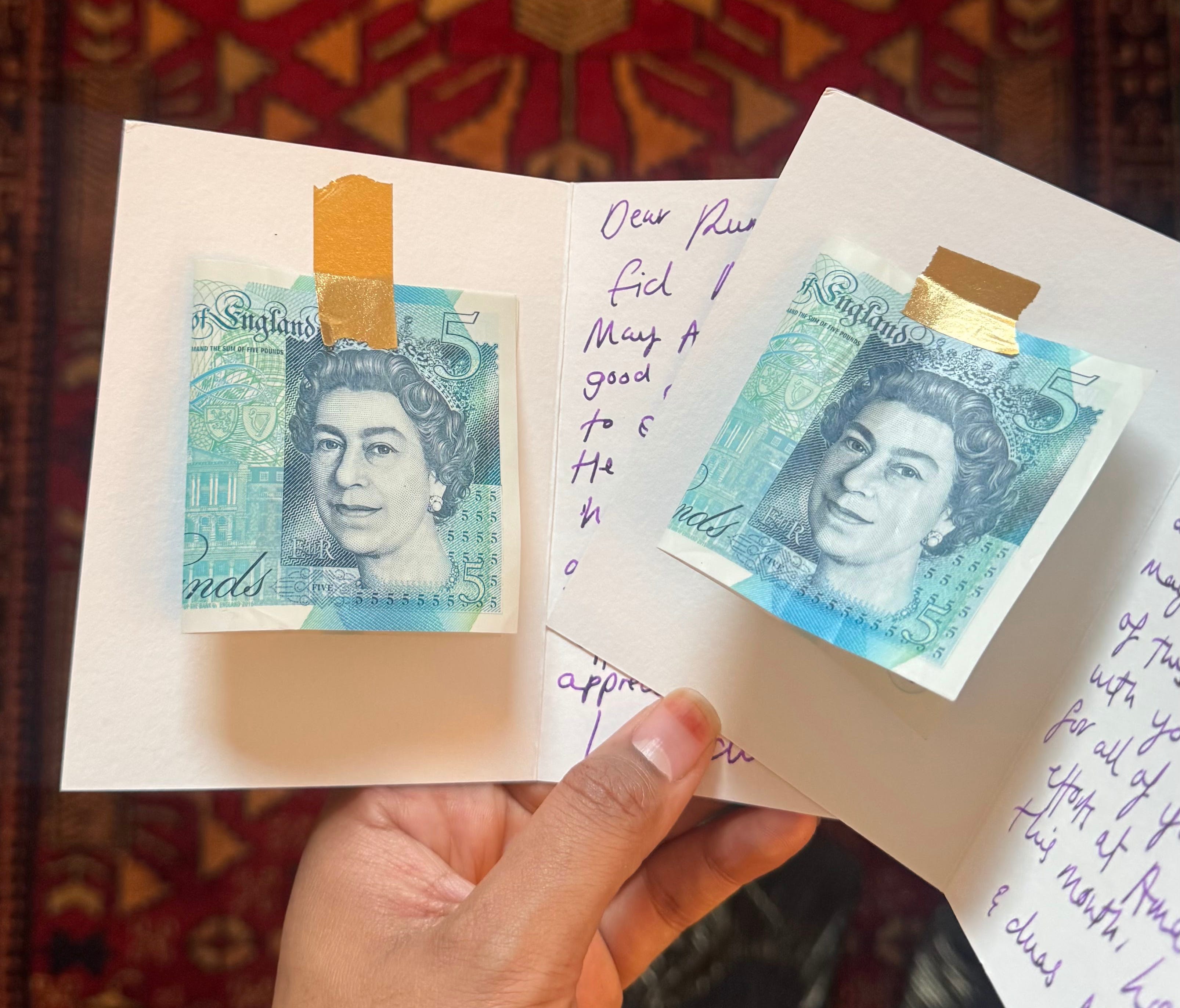
I know, it’s 2026, how can I expect you to want to work for free?! In an ideal world, we would all get paid for any work, labour or time we put in. You might even have a strict rule of no money equals no work. The framework I go by is pay, passion and/or profile and here is a deep dive on it so that you can make better decisions on where you spend your time.
Each engagement I take on fits into one of these, and sometimes more than one. Ultimately, every engagement should offer some form of mutual benefit.
This piece is an adapted excerpt from my book How To Make Money, an honest guide for founders and creatives who want to get paid to do what they love.
The chapter is called Don’t Believe the Hype: Visibility vs Merit, and it’s about how to build both, without confusing one for the other. You can find the book here and subscribe to read more like this.
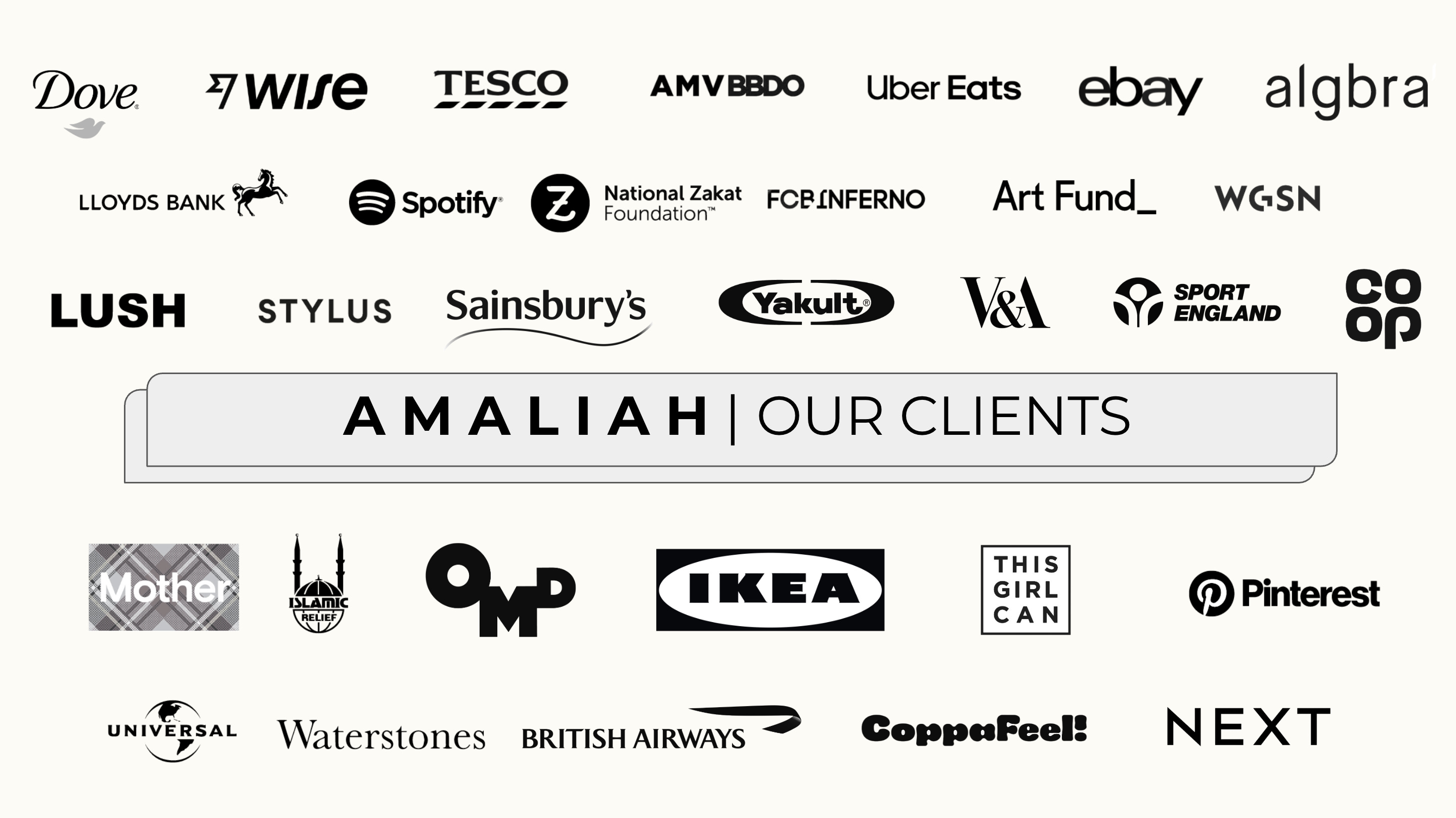
Okay, first up, for those that don’t know me, here are some of the clients I have worked with, all of them paid, but to get to this client list, I also had a lot of moments where I wasn’t paid. My job is to literally bring in paid work for AMALIAH - the media company I founded 10 years ago, a byproduct of this is that people ask me to consult, talk, write and run workshops for brands like Apple, IKEA, Vans, Maltesers and more. So negotiating my time and what it is worth is somewhat of a second language.
How to Judge an Opportunity
Over the last few years, there have been increased conversations about money, especially among women. We want to speak about it more, demand more and earn more. You may see screenshots of people telling a brand off for not offering a fee or conversations about how ‘exposure’ doesn’t pay the bills. But there is another side of this; some opportunities are simply good for your career and visibility and should be seen as investments.
If you think about your career as a timeline, each opportunity, paid, unpaid or a low rate, has the potential to open the door to the next. Over time, they build on one another. Yes, exposure might not pay the current bills, but it may lead to a future opportunity that will!
PAY - What is your time worth?
How to decide what is worth it?
You want to figure out what your rate is, SoSher media founder Shereen, gives a great explainer here which is you need to know the following:
Your floor - this is your base rate, what you accept as the minimum for the work
Your ceiling - the top end of what the market is paying
When you are starting out you might not always know this. Figuring out what pays well was trial and error, each time I negotiated I would go higher and higher to understand my ceiling. If someone said yes too easily with no negotation, it meant there was more space.
Don’t be afraid to make your ceiling high, because if you overshoot with someone, you can always accept a lower fee on the basis of goodwill. Many people are scared to go in with a high fee when negotiating, because they are scared of rejection, but negotiating is a conversation, not a final point. Figuring out what “pays well” is often trial and error. Don’t be scared of hearing a no, as it is an indication of your ceiling to be able to understand the higher end of your rate.
